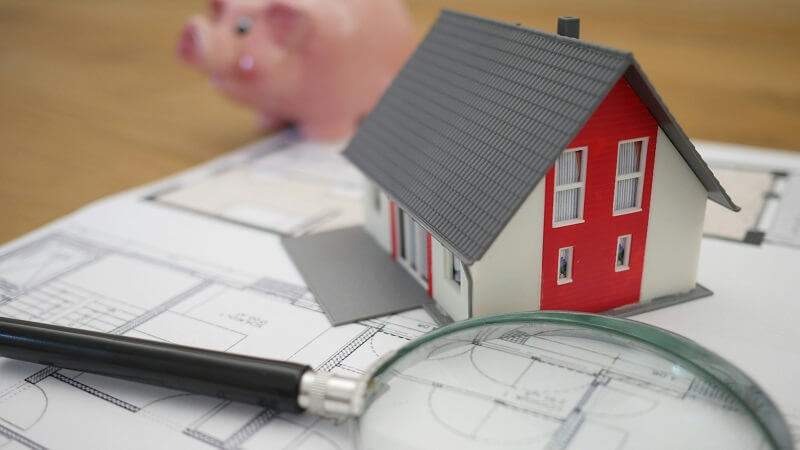
For most people, buying a home is one of the most significant financial decisions they will ever make. Beyond being a place of comfort and belonging, your home can also serve as a long-term investment that grows in value over time. Turning your home into a future-focused investment requires thoughtful planning, financial awareness, and a clear understanding of how to make your property work for you.
While some may view a house solely as a personal expense, it holds the potential to generate wealth, increase financial security, and even provide new opportunities for growth.
With the right approach, your home can evolve from being a passive asset into an active part of your financial future.
Leveraging Home Equity and Smart Financing
One of the most strategic ways to unlock your home’s potential is by leveraging its equity through responsible financing options. As you make mortgage payments and your property appreciates in value, you build equity — the portion of your home you truly own. This equity can become a powerful financial tool when managed wisely.
Homeowners often choose to access this equity for important goals such as renovations, education, or investment diversification. One effective method is through a HELOC loan, which allows you to borrow against your home’s equity and use the funds as needed. When used strategically, this type of financing can enhance your property’s value or provide capital for other smart investments, without the need to sell your home.
However, it is essential to approach equity borrowing with careful planning. Viewing your home as a long-term investment means balancing opportunity with responsibility. Maintaining consistent payments, monitoring interest rates, and avoiding unnecessary debt are crucial to ensuring your home remains an appreciating asset rather than a financial burden.
Increasing Property Value through Strategic Improvements
Improving your property is one of the most effective ways to boost its market value and long-term investment potential. Strategic home upgrades can yield significant returns, especially when they focus on quality, efficiency, and timeless appeal.
Start with improvements that enhance both comfort and resale desirability. Kitchen and bathroom updates, modern flooring, and energy-efficient windows often deliver solid returns. Aesthetic improvements such as fresh paint, well-maintained landscaping, and functional outdoor spaces can also make your home more attractive to future buyers.
Prioritizing upgrades that align with current lifestyle trends, such as open-concept living spaces or sustainable design, can further strengthen your home’s market position. Each improvement should be viewed as a step toward increasing your property’s long-term value, not just as an immediate enhancement to your daily life.
Generating Passive Income through Your Property
Another way to turn your home into an investment is by creating opportunities for passive income. Many homeowners are finding creative methods to generate revenue from their property without compromising comfort or privacy.
Renting out an unused portion of the home, such as a basement suite, guesthouse, or spare room, can provide a consistent income stream. For those with additional land or structures, converting a portion of the property into a rental space or short-term accommodation can be a profitable option.
These strategies not only help offset mortgage payments but also contribute to your financial growth over time. When managed properly, rental income can be reinvested into property improvements, other investments, or debt reduction, further increasing your overall financial stability.
Energy Efficiency and Sustainable Upgrades
Investing in energy-efficient and eco-friendly home improvements is becoming increasingly valuable. Modern buyers are more conscious of environmental impact, and sustainable upgrades often translate into higher resale value.
Adding solar panels, upgrading insulation, and installing energy-efficient appliances can significantly reduce utility costs while enhancing long-term property appeal. These features make your home more attractive to future buyers who prioritize sustainability and cost savings.
Moreover, energy-efficient homes tend to age better in the market, retaining their value as energy standards evolve. Viewing these improvements as both cost-saving measures and future investments ensures your home remains desirable and competitive.
Maintaining and Protecting Your Investment
A key part of turning your home into a long-term investment lies in consistent maintenance and care. Small issues left unaddressed can escalate into costly repairs that diminish your home’s value. Regular inspections, timely repairs, and preventive maintenance preserve not only your property’s condition but also its financial worth.
Focus on maintaining structural integrity, roof quality, plumbing, and electrical systems. Regular updates to finishes, fixtures, and landscaping will also help keep your home appealing and functional. A well-maintained home conveys pride of ownership and reassures potential buyers or appraisers of its quality.
Adapting Your Home for Future Needs
The way we live evolves over time, and so should our homes. Adapting your property to meet future lifestyle trends or demographic shifts can significantly enhance its long-term value.
Consider flexible spaces that can serve multiple functions, such as home offices, fitness areas, or guest quarters. As remote work and hybrid lifestyles become more common, properties that accommodate both comfort and productivity stand out in the real estate market.
Using Market Awareness to Your Advantage
Understanding market trends and timing can greatly influence the return on your home investment. Monitoring real estate cycles, interest rate changes, and buyer demand helps you make informed decisions about renovations, refinancing, or selling.
If you ever plan to sell your property, knowing when to list can make a significant difference in your return. Likewise, understanding when to reinvest in improvements or equity opportunities can help maximize growth potential.
Working with real estate professionals or financial advisors who understand long-term investment strategies can also provide valuable insights.
Building Long-Term Financial Security
Ultimately, turning your home into an investment for the future is about building stability, security, and growth. Every mortgage payment, improvement project, and financial decision contributes to shaping your property’s role in your overall wealth.
By understanding how to leverage equity, make smart improvements, and adapt to changing needs, you can unlock the full potential of your home. With patience, awareness, and care, your home can become one of the most rewarding investments of your lifetime.