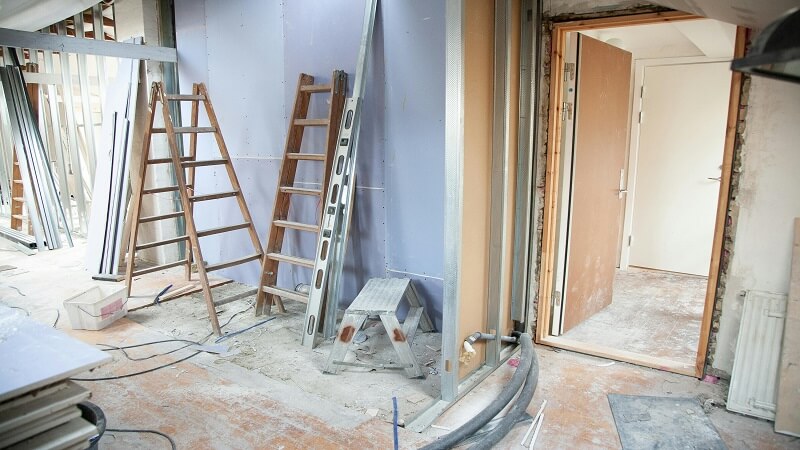
House renovation is one of the most rewarding projects a homeowner can undertake. It’s not just about giving your space a new look—it’s about enhancing comfort, functionality, and long-term value. Whether you’re planning a small update or a complete remodel, understanding each step of the renovation process will help you achieve better results and stay within budget.
In this comprehensive guide, we’ll walk you through everything you need to know about house renovation—planning, budgeting, design ideas, materials, and maintenance—so you can confidently bring your dream home to life with the right strategy and inspiration.
Welcome to House Renovation Heartomenal, your all-in-one source for expert advice, creative ideas, and practical renovation tips to help you build a home that truly reflects your personality.
1. Understanding the Purpose of Your House Renovation
Before starting any renovation, it’s essential to identify why you’re renovating. This sets the tone for your budget, design, and decision-making. Common reasons include:
- Modernization: Updating old features, replacing worn-out fixtures, or incorporating modern technologies.
- Functionality: Making your home more practical—like expanding the kitchen, adding a bathroom, or creating a home office.
- Aesthetic Appeal: Improving the overall look and ambiance of your space.
- Value Addition: Preparing your property for resale by increasing market value.
- Energy Efficiency: Upgrading insulation, windows, and appliances to reduce long-term costs.
Clearly defining your renovation goals ensures every dollar you spend moves you closer to your ideal result.
2. Planning Your House Renovation Step by Step
Renovation success relies heavily on proper planning. Here’s a structured process to follow:
Step 1: Assess Your Current Home
Start by examining the strengths and weaknesses of your current home. Identify problem areas—cracked walls, outdated kitchens, poor lighting, or inefficient layouts.
Step 2: Create a Vision Board
Gather inspiration from design magazines, online platforms, and interior design blogs. Collect colors, furniture ideas, and material samples that match your style.
Step 3: Set a Realistic Budget
Budgeting is key to avoiding overspending. List all expected costs, including materials, labor, permits, and unexpected expenses. A good rule of thumb is to set aside 10–15% of your total budget for contingencies.
Step 4: Hire Professionals (If Needed)
For large projects, consider hiring an architect, interior designer, or contractor. Their expertise can save you time and prevent costly mistakes.
Step 5: Obtain Necessary Permits
Always check with local authorities for required renovation permits—especially for structural, electrical, or plumbing changes.
Step 6: Develop a Timeline
Renovations can be disruptive. Plan a realistic timeline that includes each phase—demolition, construction, installations, and finishing touches.
3. Budgeting and Cost Estimation
A smart renovation starts with smart financial planning. Here’s how to manage your renovation budget effectively:
- Prioritize Needs Over Wants: Focus on essential repairs first, then consider aesthetic upgrades.
- Compare Quotes: Always get multiple contractor estimates to ensure fair pricing.
- Reuse and Recycle: Restore existing fixtures or furniture instead of replacing everything.
- DIY Where Possible: Painting, decorating, and minor installations can reduce costs significantly.
- Track Expenses: Use digital tools or spreadsheets to monitor all purchases and payments.
Typical cost breakdown example for a mid-range house renovation:
- Kitchen renovation: 20–25%
- Bathroom updates: 15–20%
- Flooring and painting: 10–15%
- Structural improvements: 20–30%
- Miscellaneous (furniture, décor, lighting): 10–15%
4. Choosing the Right Materials
Selecting quality materials can make or break your renovation. Here’s how to choose wisely:
- Durability: Go for materials that can withstand daily wear—especially for floors, countertops, and cabinetry.
- Sustainability: Use eco-friendly products such as bamboo, recycled glass, and energy-efficient appliances.
- Aesthetics: Choose finishes and colors that complement your home’s architecture and personal style.
- Maintenance: Pick materials that are easy to clean and maintain for the long run.
Some timeless material choices include hardwood flooring, quartz countertops, and ceramic tiles—offering both beauty and resilience.
5. Key Areas to Focus on During House Renovation
a. Kitchen
The kitchen is often called the heart of the home.
- Upgrade countertops, cabinets, and lighting.
- Install energy-efficient appliances.
- Improve layout with an open or U-shaped design.
- Add smart storage solutions to maximize space.
b. Bathroom
A functional, stylish bathroom increases comfort and property value.
- Use moisture-resistant materials.
- Incorporate modern fixtures and adequate ventilation.
- Add luxurious touches like rainfall showers or soaking tubs.
c. Living Room
This is where family and guests gather.
- Focus on lighting, furniture placement, and color harmony.
- Consider statement walls or feature ceilings for style.
- Add smart entertainment systems discreetly integrated into the design.
d. Bedrooms
Your bedroom should be your relaxation zone.
- Choose soothing colors and soft lighting.
- Use built-in wardrobes to maximize storage.
- Soundproof walls or windows for quiet comfort.
e. Outdoor Spaces
Enhancing your garden, porch, or patio adds lifestyle and aesthetic appeal.
- Build a small deck or seating area.
- Install outdoor lighting.
- Add greenery for a natural touch.
6. Incorporating Smart Home Technology
Modern homes thrive on convenience. Consider upgrading your space with smart technologies:
- Smart Thermostats: Regulate temperature efficiently.
- Automated Lighting: Adjust brightness or colors remotely.
- Security Systems: Install smart locks and surveillance cameras.
- Voice Assistants: Control your home using simple voice commands.
These innovations not only add value but also improve your quality of life.
7. Common House Renovation Mistakes to Avoid
Even with careful planning, mistakes can happen. Avoid these common pitfalls:
- Skipping Professional Advice: DIY can’t replace expert knowledge for major work.
- Ignoring Building Codes: Non-compliance can lead to fines or unsafe structures.
- Underestimating Costs: Always prepare for hidden expenses.
- Choosing Style Over Function: Design must serve practical needs too.
- Poor Lighting Choices: Inadequate lighting can make spaces feel small and dull.
8. Sustainable and Eco-Friendly Renovation Ideas
Renovating with the environment in mind saves money and supports sustainability:
- Install solar panels for renewable energy.
- Use LED lighting to reduce power consumption.
- Choose low-VOC paints for better indoor air quality.
- Recycle old materials wherever possible.
- Incorporate natural ventilation and insulation to reduce heating and cooling costs.
Sustainable homes are not just a trend—they’re the future of responsible living.
9. Design Trends to Inspire Your Renovation
Keep your renovation modern and timeless with these trending ideas:
- Minimalist Aesthetics: Clean lines, neutral tones, and uncluttered spaces.
- Open-Plan Layouts: Combine kitchen, dining, and living areas for spaciousness.
- Natural Elements: Wood, stone, and plants create warmth and texture.
- Accent Lighting: Highlight artwork or architectural features.
- Multi-Functional Furniture: Maximize space in smaller homes.
Blend these trends with your personality to create a space that feels truly yours.
10. Post-Renovation Maintenance Tips
Once your renovation is complete, maintenance ensures your investment lasts:
- Inspect plumbing and electrical systems regularly.
- Repaint walls or touch up finishes every few years.
- Deep clean floors and tiles to prevent wear.
- Protect furniture and surfaces from moisture or sunlight damage.
- Keep an emergency repair fund for minor fixes.
11. The Emotional and Financial Benefits of Renovation
A successful renovation offers more than just a visual upgrade. It can:
- Improve mental well-being through a more organized, beautiful space.
- Increase property value and market appeal.
- Enhance comfort, efficiency, and pride of ownership.
- Provide a creative outlet and personal satisfaction.
Investing in your home is investing in your lifestyle and happiness.
12. Why Choose House Renovation Heartomenal
When you choose House Renovation Heartomenal, you’re not just getting renovation advice—you’re joining a community that believes your home deserves the best care and creativity. Heartomenal combines practical guidance with heartfelt design, helping homeowners achieve extraordinary transformations without stress or confusion. From small updates to large makeovers, our insights empower you to renovate smartly, beautifully, and affordably.
Conclusion
Renovating your home is an exciting journey that requires vision, patience, and planning. With the right approach, every corner of your home can reflect your taste, meet your needs, and add long-term value. By focusing on functionality, aesthetics, sustainability, and comfort, you can turn your dream home into a reality.
Remember—the best renovations are not just built with tools, but with creativity, care, and passion.
Start your journey today with House Renovation Heartomenal, and transform your living space into a masterpiece that tells your story.