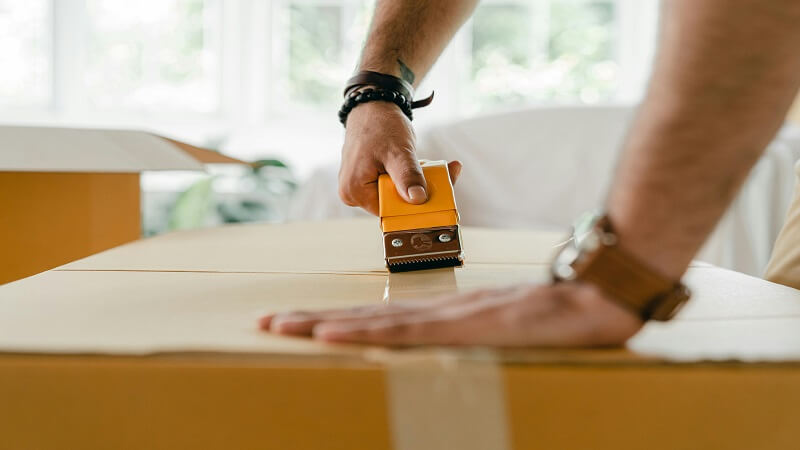
You do not notice clutter until you try to put it in a box. Then it is everywhere. Closets that seemed manageable turn into piles on the floor, drawers refuse to close, and you start wondering why you kept three versions of the same thing.
In places like Ortonville, MI, where many homes have basements, garages, and a bit more breathing room, clutter builds slowly and quietly. People store seasonal gear, tools, old furniture, and boxes that were never fully unpacked from the last move. It works fine while you are living there. The problem shows up when it is time to leave. All that stored stuff has to be faced, sorted, and either moved or removed, and that decision process can slow a move down more than the packing itself.
See the Clutter for What It Is
Clutter during a move is not just stuff lying around. It is a pile of decisions you kept putting off. Every shelf, every drawer holds something you meant to deal with later. Try changing the question. Do not ask what can be packed. Ask what is worth carrying into the next place. Moving takes effort and money, so each box should earn its spot. Before packing, walk through the house with a notepad. Write down trouble spots. Closets, garage corners, crowded cabinets. Once it is written down, it feels concrete. Less fog, more control.
Creating Breathing Room Before the Move
Sometimes the clutter cannot be handled in one sweep. There may be overlap between moving dates, downsizing concerns, or family members who need more time to sort through their belongings. In those cases, temporary space can ease the pressure and keep the house functional while decisions are made. When it comes to self storage Ortonville MI has many reliable options that can offer a temporary storage solution.
Using external storage during a move is not about hiding clutter. It is about staging the process. Items that are clearly staying but not needed immediately can be packed, labeled, and moved out of the way. This creates clear work zones inside the home and makes cleaning and showing the property easier if it is being sold.
Sort in Layers, Not All at Once
Trying to clear out an entire house in one long weekend sounds productive. It rarely is. By Sunday afternoon, people are tired, annoyed, and shoving things into random boxes just to make the mess look smaller. That is usually when mistakes happen.
It helps to work in passes. First round, grab the obvious stuff. Expired food, cracked storage bins, cords to devices you no longer own. No deep thinking required. Once that layer is gone, the rooms already feel lighter.
After that, deal with the extras. The third set of sheets. The duplicate pans. Decorations that stayed in a box for three holidays straight. Save the hard, sentimental pieces for later. By then, your decision muscles are warmed up, even if you do not call them that. You will still pause sometimes. That is fine. You are aiming for steady progress, not a perfect sweep.
Control the Paper Before It Controls You
The paper does not look like clutter at first. It lies flat, stays quiet, and fits almost anywhere. A stack on the counter. A drawer full of old statements. Envelopes tucked into random books. You barely notice it building up until you start packing and realize you are boxing up years of paper that no one has looked at in ages.
When you are getting ready to move, paper slows everything down. It is heavier than it seems and harder to organize once sealed in a box. Go through it before you tape anything shut. Keep the documents that truly matter, things tied to finances, identity, or the house itself, and place them in one folder you carry yourself. The rest do not need to travel. Once it is cleared out, the room feels less crowded, even if nothing else has changed.
Keep a Donation System Running
Stuff you plan to donate has a funny way of settling back in. It gets stacked near the door, then nudged to the side, then somehow worked back into a closet when no one is paying attention. If it stays in the house too long, it starts to feel like it belongs there again.
Once you decide something is leaving, move it out fast. Put it in a bag, tie it closed, and set a real drop-off day. Not “sometime soon.” An actual date. If you can, load it into the trunk right away. Out of sight helps. When the items are physically gone, the room shifts a little. You notice the space. That small win makes it easier to keep going.
Pack With Intention, Not Panic
Packing and decluttering are related but not identical. Packing without sorting first simply relocates clutter. It feels productive in the moment, but it creates problems later. As you pack, question each item again. Does it serve a purpose in the next home? Is it in good condition? Would you spend money to move it if you had to pay per box? These small pauses prevent regret later.
Label boxes clearly and avoid vague descriptions. When everything is marked properly, unpacking becomes more controlled. You are less likely to tear through boxes searching for one object, which often leads to new clutter in the new space.
Maintain One Clear Zone
During the final weeks before a move, clutter tends to creep back in. Boxes pile up. Cleaning supplies sit out. Tools are left in random spots.
Choose one area of the house to keep clear at all times. It might be a small table or a section of the kitchen counter. This space becomes your reset point. When the rest of the house feels chaotic, that clear area provides a small sense of order.
It sounds minor, but it changes how the process feels. Clutter is not just physical. It affects mood and decision-making. A single organized zone can steady things.
Accept That Some Mess Is Temporary
There is a point in every move where the house looks worse before it looks better. Piles form. Furniture shifts. Rooms echo as items are removed.
This stage is temporary. It helps to remember that the goal is reduction, not spotless perfection during the process. As long as items are leaving the house or being packed with intention, progress is happening.
Managing clutter during a move is less about becoming minimal overnight and more about making deliberate choices. Each object either supports the next chapter or it does not. When you stay focused on that idea, the decisions become clearer. The boxes get lighter. And the move, while still work, feels more controlled than chaotic.